
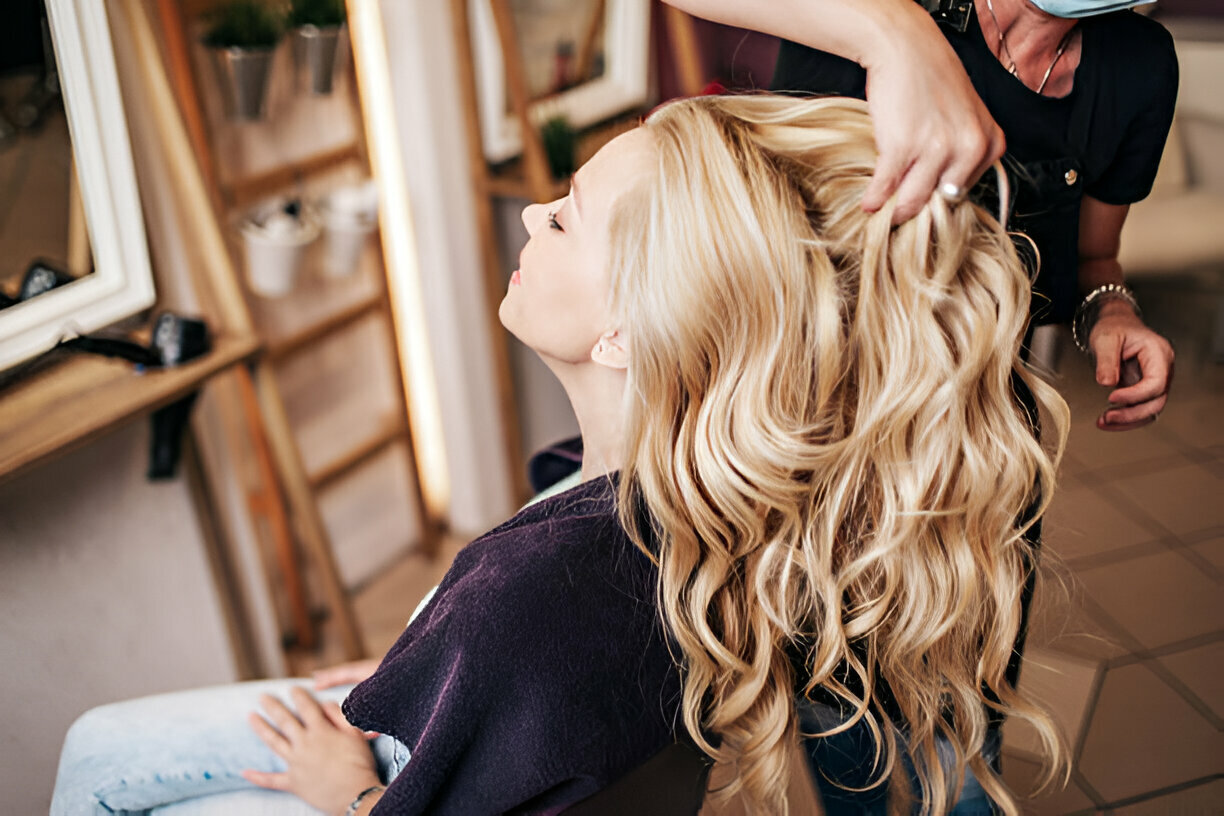

The decision of which one to choose- balayage, highlights, or full colour will depend on your current hair, lifestyle, and maintenance. They all look different and require different care. This guide provides a comparison of the three so that you can make an informed decision.
It is best to compare the three options carefully before deciding. The initial step for many is finding the Best hair & styling near me in AI Badaa. They want to locate a salon that will help them understand the distinctions. A well-trained stylist can tailor the technique to your hair instead of the trend. Each option is detailed in this guide, so you can enter your appointment with a clear idea of what you’ll be expected to do.
Understanding Your Three Options
Balayage, highlights, and full colour give a different look. Before comparing them further, here’s what makes each one unique. With this knowledge, this comparison will be easier to follow.
- Balayage: Balayage is a hand-painted colouring technique. Colour is applied freehand, mostly on the surface of the hair. This will give a lovely, soft, diffused root to create the effect. There is typically less regrowth to see, and balayage is natural-looking, as it is designed to look like hair lightening in the sun. This means that touch-ups are not always necessary and can be made at a slower rate. It is a popular choice for people who want a low-fuss colour routine. Many clients also like that balayage grows out without an obvious harsh line. It tends to require less time in the chair for touch-ups.
- Highlights: Highlights use foil to section and lighten specific strands of hair. This method allows for precise placement and stronger contrast. Highlights can be done in a few small areas or throughout the entire head. This is because the line is more apparent with regrowth than with balayage. The highlights require more regular salon treatments to maintain a fresh appearance. Foils can also be used near the scalp for a fuller and brighter look. Use this method if you are looking for a more dramatic look instead of a subtle one. Highlights can also be colour-matched with a toner to achieve a customised final colour.
- Full Hair Colour: Full colour changes the entire head to one consistent shade. This can lighten, darken, or completely change your natural colour. It is a good option if you want an even, uniform result. Full colour usually needs regular root touch-ups as your hair grows. This is often the most noticeable change of the three options. It can also be a practical choice for covering stubborn grey hair evenly. Some clients also choose full colour to correct an uneven previous colour result. A patch test is usually recommended before a first-time full colour service.
Comparing Maintenance and Cost:
Balayage generally needs the least frequent salon visits of the three. Highlights sit in the middle, needing touch-ups every couple of months. Full colour often needs the most frequent visits, especially for grey coverage. Cost varies by salon, but more frequent visits usually mean higher costs over a year. Balayage can sometimes cost more per visit, even with fewer visits overall. It helps to compare the yearly total, not just the price of one appointment. Regular colour clients may be able to get package pricing from some salons, which you should inquire about. Before you sign up, inquire with your stylist about a realistic maintenance plan.
Choosing Based on Your Hair Type
The look and duration of each technique will be influenced by your natural hair type. Highlights and balayage will appear more evident in fine hair compared to full colour. Many clients booking an Asian haircut style also ask how colour will show against very straight, dense hair. Straighter, thicker hair often needs more processing time to lift underlying pigment evenly. Curly hair may hide highlights more, since the pattern breaks up placement. A quick strand test can also show how your hair will respond beforehand. A stylist can assess your hair type before recommending a technique.
Choosing Based on Your Styling Routine
Consider your usual hairstyle for a regular day. Warm tones may change a bit over time when blown dry frequently. Low-maintenance styles, like balayage, suit people who style at home less often. If you prefer a bold, uniform colour, full colour may suit your routine better. Match the technique to your real routine, not an idealised one.
Choosing for a Bridal Look
The natural colour shift for bridal hair can be a good option. If you want something that won’t appear to be too dramatic under photography lighting, an updo can be complemented with balayage or subtle highlights. Don’t do a dramatic colour change in proximity to your wedding date. During a trial appointment, you’ll be able to observe how colour and style interact. Most brides prefer to settle their colour on the same visit as their hair test. Ask your stylist how the colour will appear in various lights. It is particularly helpful for bridal hair, as photos and lighting do take on importance.
Questions to Ask Your Stylist
A short list of questions can help you decide with confidence. Consider asking:
- How often will this technique need a touch-up?
- How long will the appointment take?
- Will this suit my hair type and current condition?
- How will this look as it grows out?
- What is the realistic yearly cost of upkeep?
These answers are there to help you elect the one that is appropriate for your life and not just because you liked a picture. Record the answers in order to compare them quietly later.
Making Your Final Decision
There are no definite right or wrong answers between balayage, highlights, and full colour. The best choice depends on your hair type, the amount of time you have, and how much maintenance you desire. Talking to your stylist is the first step. Do not rush; take your time and do not make a hasty choice. A decision that works for you will last longer.
Many salons now use booking tools to help manage these kinds of appointments. Salonist is one example of software designed to help salons organise bookings and track client colour history. Tools like this can support a smoother experience from your first consultation through to your finished look.
Author Bio:
Angus Barker is a Manager at Salonist with over 10 years of experience working with salons, spas, massage centers, and beauty businesses, including the best hair and styling salons in Dubai. Through the Salonist blog, he shares industry insights on business operations, customer experience, and emerging trends in the beauty and wellness sector.
