
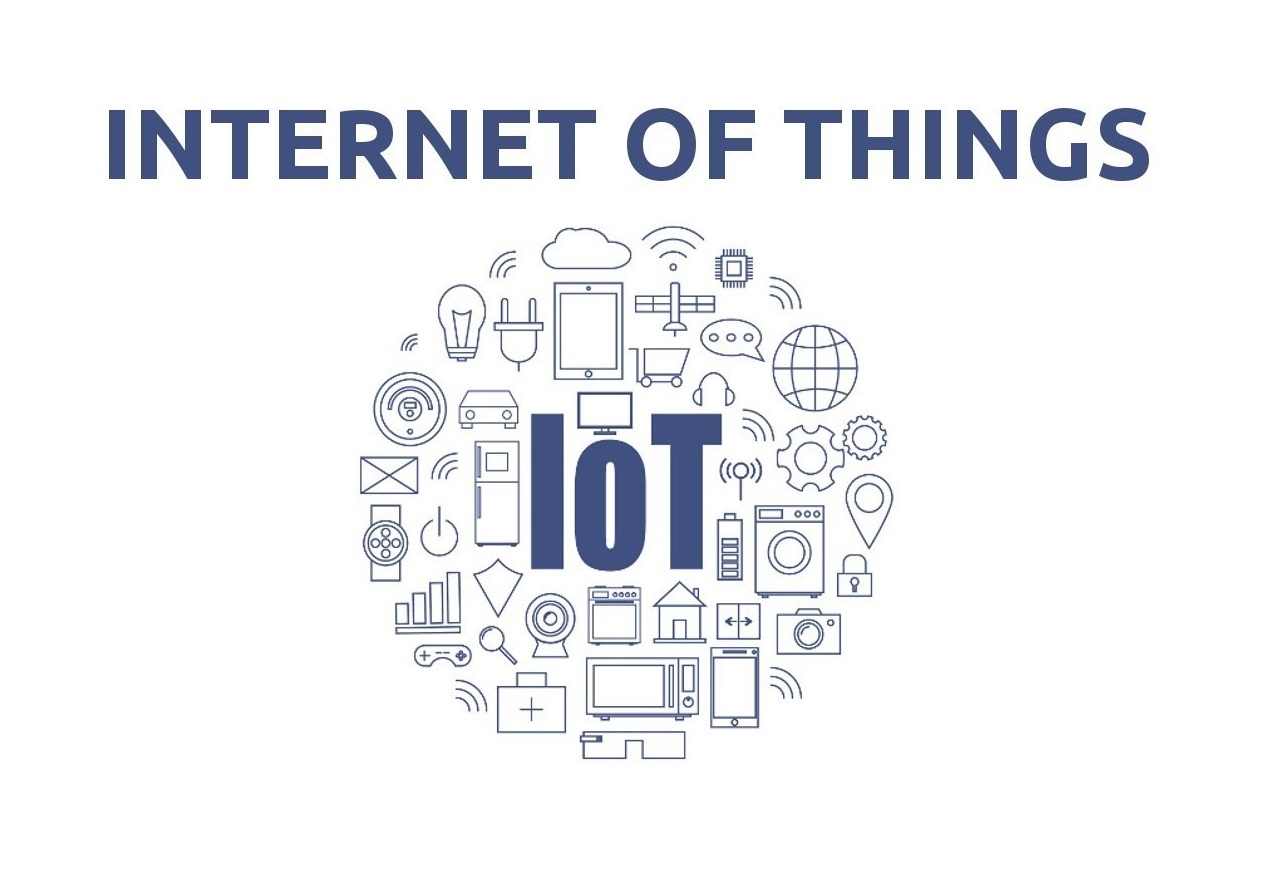

The speedy growth of the Internet of Things (IoT) has absolutely reshaped the virtual world. Every morning, routines kick off with smart gadgets already at work. Though convenience shines through automated tasks, risks often tag along unnoticed. Machines talk to one another across cities, sometimes without clear rules. As hackers grow sharper, defenses must shift just as fast. Protection now hides inside sensors, monitors, and even factory walls. Hidden signals carry secrets that demand constant watch. When a fridge updates its software, it might invite trouble too. Safety isn’t only about locks anymore; it pulses through invisible links.
Out of nowhere, companies began reshaping how they shield IoT setups against fresh digital threats. Not just relying on old methods many now weave artificial intelligence into security layers, quietly boosting detection strength. Cloud safeguards step in where local systems fall short, offering wider coverage without extra hardware. Real movement tracking changes the rhythm of response times, catching odd behavior before harm spreads. Automation handles repetitive tasks so human teams can focus elsewhere. Slowly but surely, the whole approach to guarding connected devices shifts not with fanfare, but through steady upgrades behind the scenes.
The Growing Importance of IoT Security
IoT devices are frequently prone to vulnerabilities because many had been no longer at the beginning designed with sturdy security capabilities. Vulnerable passwords, previous firmware, insecure communication channels, and confined processing power make those gadgets appealing targets for cybercriminals. An unmanaged compromised device can emerge as an access point for large-scale community assaults, resulting in data breaches, operational disruptions, and monetary losses.
As the wide variety of linked gadgets continues to develop, conventional cybersecurity techniques are no longer sufficient. Organizations need committed IoT protection platforms that can display, manipulate, and monitor large-scale device networks in real time. This call is riding the principal innovations in the cybersecurity era.
AI-Powered Chance Detection
One of the most massive developments reworking IoT protection is the combination of artificial intelligence (AI) and machine learning (ML). AI-powered protection systems can analyze massive quantities of statistics generated by using IoT gadgets and discover uncommon conduct styles that can indicate cyber threats.
Unlike traditional rule-based systems, AI-powered systems constantly learn from network data. They can detect anomalies along with unauthorized get entry to tries, unusual device communication, or suspicious traffic spikes earlier than significant damage happens. This proactive technique enables businesses to reply to threats faster and decrease the threat of large-scale cyberattacks.
Devices getting to know algorithms additionally improve over the years, making IoT security systems more adaptive and correct. As cyber threats evolve, AI-based systems can quickly discover new assault styles and enhance defenses automatically.
Zero Trust Security Architecture
The zero-trust model has emerged as a main fashion in IoT cybersecurity. Conventional protection systems frequently assumed that devices and users within a community could be relied on. However, cutting-edge cyberattacks have validated that inner threats can be simply as risky as outside ones.
Zero agrees with security, gets rid of automatic belief, and calls for non-stop verification of every device, user, and alertness trying to access the network. IoT protection structures at the moment are incorporating zero trust principles by imposing functions along with:
- Multi- element authentication (MFA)
- Device identity verification
- Network segmentation
- Continuous monitoring
- Least-privilege access control
By verifying every connection request, companies can significantly reduce the risk of unauthorized access and lateral movement inside IoT environments.
Edge Computing Security
As IoT networks enlarge, corporations are an increasing number of using edge computing and an IoT Security Platform to process data closer to the gadgets rather than relying entirely on centralized cloud systems. Facet computing improves velocity, reduces latency, and supports real-time decision-making.
However, it additionally introduces new safety worries due to the fact that information is processed throughout more than one disbursed endpoints. Modern-day IoT security systems are adapting by means of integrating edge protection solutions that protect gadgets, programs, and local data processing systems.
Part security technologies consist of encrypted conversations, cozy boot procedures, endpoint authentication, and neighborhood risk detection. Those solutions assist companies’ relaxed decentralized IoT infrastructures at the same time as maintaining high performance and operational efficiency.
Cloud-based IoT Security Structures
Cloud-based safety answers are getting more and more popular due to the fact that they provide scalability, flexibility, and centralized control. Businesses with heaps of IoT gadgets can use cloud structures to screen security activities, manipulate updates, and analyze network activity from a single dashboard.
Cloud-native IoT security platforms offer several advantages:
- Real-time threat intelligence updates
- Automated security patch management
- Centralized visibility across all devices
- Faster incident response
- Scalable infrastructure for growing IoT ecosystems
Those systems additionally enable remote control, which is especially precious for companies running across a couple of places or assisting remote work environments.
Automatic Security & Incident Reaction
Automation is playing a chief role in modern cybersecurity strategies. Dealing with security manually throughout huge IoT networks is time-consuming and regularly ineffective. IoT safety systems are now leveraging automation to streamline risk detection, incident response, and vulnerability management.
Automated structures can instantly isolate compromised devices, apply safety patches, block malicious traffic, and notify administrators of capability threats. This reduces response times and minimizes the effect of cyberattacks. Safety orchestration and automated reaction (bounce) tools are also being incorporated into IoT systems, permitting agencies to coordinate security movements across multiple systems successfully.
Blockchain for IoT protection
Blockchain generation is emerging as an innovative answer for enhancing IoT safety. Because blockchain uses decentralized and tamper-resistant ledgers, it can assist at ease device conversation, authentication, and records integrity.
In IoT environments, blockchain can:
- Verify device identities securely
- Prevent unauthorized fact changes
- Enable at-ease peer-to-peer communication
- Enhance transparency in linked ecosystems
Despite the fact that blockchain adoption in IoT cybersecurity continues to be developing, many corporations are exploring its ability to reinforce trust and reduce vulnerabilities in distributed tool networks.
Regulatory Compliance and Data Privacy
Governments and regulatory organizations worldwide are introducing stricter cybersecurity and facts privateness tips. Agencies have to now ensure that their IoT structures observe requirements related to data protection, threat control, and tool security.
Modern IoT safety systems are supporting companies to meet compliance requirements by means of providing capabilities consisting of:
- Data encryption
- Audit logging
- Access management
- Compliance reporting
- Vulnerability assessments
Industries, along with healthcare, finance, manufacturing, and critical infrastructure, are particularly targeted for regulatory compliance due to the sensitive nature of their statistics and operations.
The Future of IoT Cybersecurity
The destiny of IoT cybersecurity will depend closely on intelligent, adaptive, and automated safety platforms. As cyber criminals increase their use of more sophisticated attack techniques, groups have to keep evolving their defenses to guard an increasing number of complex, connected environments.
Emerging technology consisting of AI, side computing, blockchain, and zero trust architecture will maintain shaping the next technology of IoT protection solutions. Groups that put money into superior cybersecurity systems these days could be better organized to address future threats, defend purchaser trust, and maintain operational resilience.
Conclusion
IoT technology is revolutionizing global industries, but it also introduces critical cybersecurity dangers. As linked gadgets grow to be larger, the call for superior IoT security systems continues to grow. Trends inclusive of AI-powered threat detection, 0 accept as true with protection, cloud-based safety, side computing security, and automation are reworking how groups guard against cyber threats.
Groups that undertake cutting-edge IoT security strategies can strengthen their defenses, improve compliance, and decrease the threat of costly cyberattacks. In an increasingly more connected world, making an investment in sturdy IoT cybersecurity is no longer optional; it’s vital for long-time period fulfillment and digital resilience.
